Almost every watch has a number printed on its dial or caseback that promises some degree of water resistance. The numbers are usually given in meters or in a rating such as splash-resistant or suitable for swimming, and they are often misunderstood. A watch rated for a certain depth in a laboratory is not necessarily suitable for the activity the owner has in mind, and a rating does not describe how a watch will behave after years of wear.
This guide explains how water resistance ratings are measured, what the common labels mean in practice, why a rating does not describe every activity and how a gift buyer can avoid choosing a watch that will fail when used the way the recipient intends. It does not recommend any particular watch, and it does not advise on diving or swimming with any device. Follow the manufacturer’s guidance, and for questions about safe use in water, speak to a qualified instructor or the maker.
A gift buyer sees ‘water resistant’ on a watch and assumes it can be worn for swimming. The rating on the caseback tells a different story, and the gift was returned.
How the ratings are measured
Water resistance is tested in a laboratory, usually by placing the watch in a pressure chamber or under a column of water for a set time and then checking whether water has entered. The result is expressed as a pressure figure or a depth, sometimes in meters, sometimes as a label. The test measures static pressure, which is not the same as the forces a watch experiences during movement, impact or changes in temperature.
Because the test is controlled, the rating describes the watch when new and under specific conditions. Seals age, gaskets dry out and crystals are scratched. A watch’s resistance can diminish over time, and manufacturers recommend periodic testing and gasket replacement to maintain it.
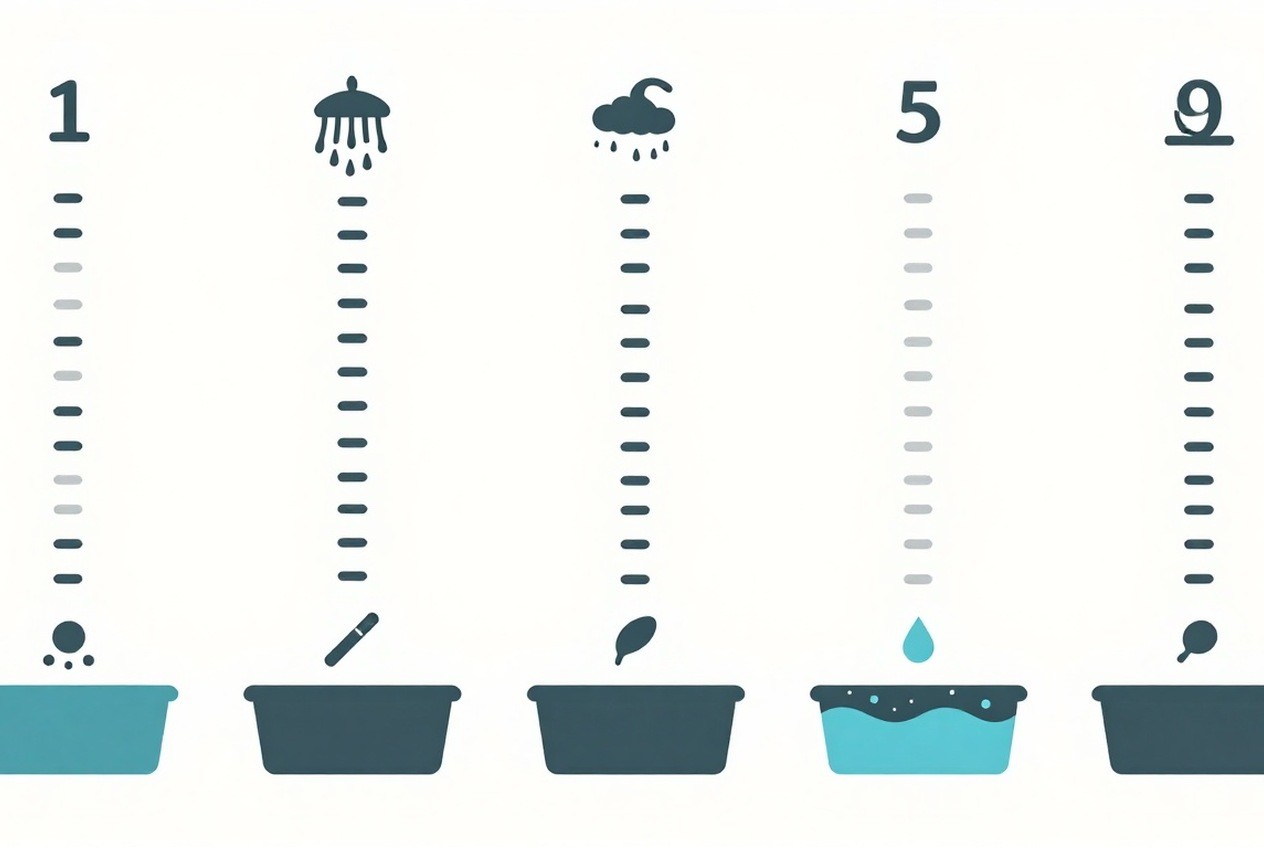
What the common labels mean
Labels vary by maker, but the following are common in general terms.
- Splash resistant or water resistant to a small depth means the watch can withstand rain, hand washing and a splash. It is not suitable for swimming or showering.
- Water resistant for showering or swimming in shallow water suggests the watch can handle moderate exposure. It still should not be used for diving.
- Suitable for diving implies a rating and features designed for underwater use, such as a rotating bezel or a screw-down crown. The exact requirements for diving depend on the activity and should be checked with an instructor.
Do not rely on the label alone. Read the number, and compare it with the maker’s guidance on what activities the watch is designed for.
Why a rating does not cover every activity
A watch rated for swimming can still be damaged by activities that involve hot water, saltwater, chlorinated pools, soap or sudden pressure changes. Saltwater and chlorine can attack seals and metal. Hot water can soften gaskets and speed up their deterioration. Soap and certain cosmetics can get under the crystal or the strap and cause problems over time.
Movement and impact also matter. A watch that is water resistant can still crack its crystal if struck, and a bracelet can loosen when the wearer is active in water. Rinsing a watch after swimming in salt or chlorinated water helps, and so does drying it thoroughly.
Crowns, gaskets and buttons
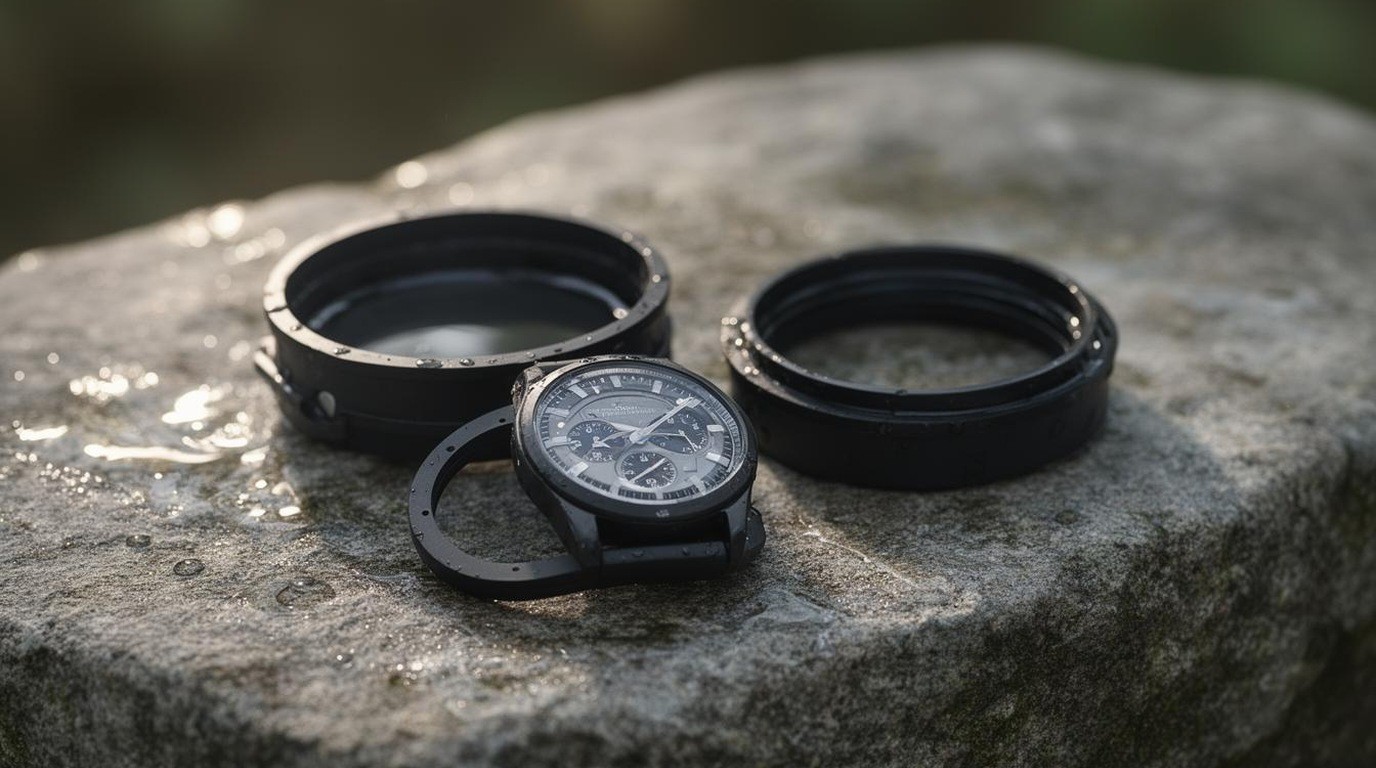
Many water-resistant watches have a screw-down crown and seals around the pushers. A screw-down crown must be fully tightened after each use, and a crown left unscrewed can let water in. Pushers and buttons also need to be checked, since a damaged seal can allow water in quickly.
Check the seals periodically, and have them replaced by a qualified watchmaker or the maker’s service center. We do not give instructions for opening a watch or changing seals yourself, since that work requires specialized tools and skill.
Gifts and expectations
When buying a water-resistant watch as a gift, ask the recipient how they plan to use it. A person who wants a watch for the office and occasional rain needs a different rating from someone who swims regularly. Describe the rating to the recipient, and explain what it does and does not cover. A gift that is used correctly lasts longer and gives more pleasure.
Consider including the maker’s care guide with the watch, and a note about having the seals checked at service intervals.
Service and warranty
A warranty for a water-resistant watch often excludes damage from water if the seals have not been maintained. Read the warranty and the service recommendations, and check whether the maker requires an authorized center for seal testing. If you need the watch tested after an exposure, contact the maker or a qualified watchmaker.
Questions to ask before buying
- What is the water resistance rating, and what does the maker say it covers?
- Is the crown screw-down, and how should it be used?
- What service interval does the maker recommend for seal testing?
- Does the warranty cover water damage, and under what conditions?
- Is the strap suitable for wet use, and how should it be cared for?
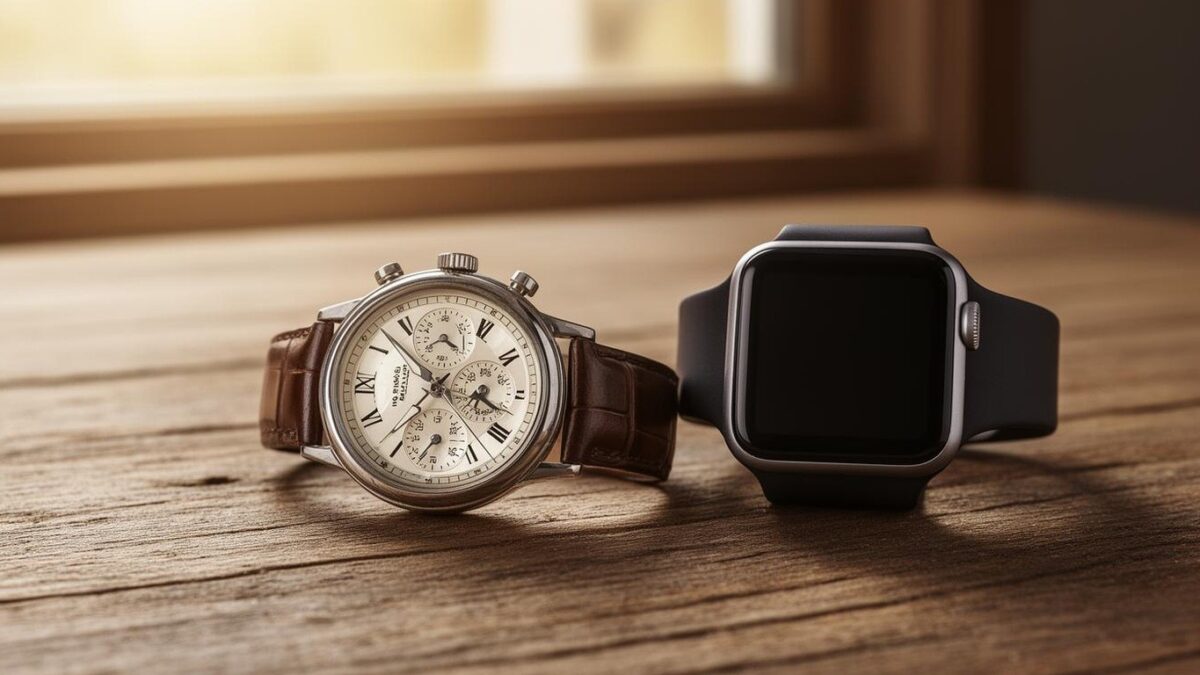
Our guide to watch movements covers how the mechanism affects care, and smartwatch or classic watch compares the trade-offs between the two.
Checking the rating on the caseback
The water resistance rating is usually printed on the caseback or the dial. Read it carefully, since the figure applies to the watch as sold and to the seals in good condition. A seal that has aged, a crystal that has been replaced or a crown left unscrewed can reduce protection. Ask the seller to confirm the rating before you buy, and check the warranty terms if water exposure is part of the plan.
Bottom line
Water resistance ratings are laboratory results, not promises for every activity. Read the number, check the maker’s guidance and ask how the watch will be used. Keep the crown and seals in good order, rinse after salt or chlorine and have the seals checked at the recommended intervals. For any question about water use, speak to a qualified instructor or the manufacturer.
Which rating fits your plans
- You plan to wear it in the shower or light rain: a modest water resistance rating is usually enough.
- You plan to swim or dive: choose a higher rating and check the maker’s guidance on use.
- You are unsure about the seals: ask a watchmaker to test them before any water exposure.